Escape Velocity: The Gen Z Flight to Social Platforms That Big Tech Has Never Heard Of
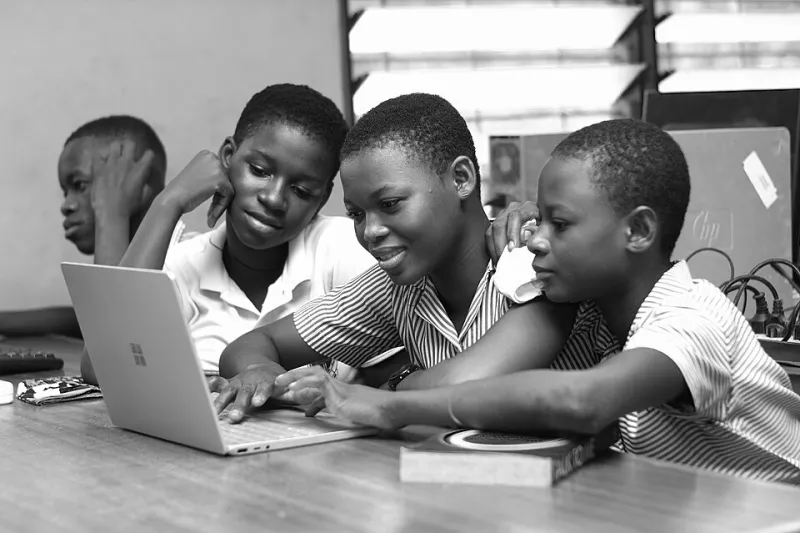
Photo: Kwameghana(Bright Kwame Ayisi), CC0, via Wikimedia Commons
Somewhere between the fourteenth unskippable ad and the third algorithmically recommended video they never asked for, a certain kind of person quietly closes the app. Not in frustration, exactly — more like resignation. And then they go looking for something else.
That "something else" increasingly looks like the Fediverse.
If that word means nothing to you, you're probably not alone. But for a growing slice of Gen Z users — and a healthy contingent of older idealists who've been waiting for this moment since the early 2000s — federated social networks like Mastodon, Misskey, Pixelfed, and dozens of smaller, stranger instances represent a genuine alternative to the corporate internet. Not a perfect one. Not always an easy one. But an alternative.
And people are actually moving there.
What Even Is This Thing
The Fediverse isn't a single platform. That's the part that confuses most newcomers. It's more like a protocol — a shared language that lets different servers talk to each other. You can run your own Mastodon instance for a hundred people, and users on that server can still follow and interact with accounts on completely different servers running completely different software. It's loosely analogous to email: you can have a Gmail address and still send messages to someone on Yahoo.
The practical result is a constellation of communities, each with its own vibe, rules, and membership. There are instances built around specific fandoms, political philosophies, regional identities, creative disciplines, and interests so niche they barely register on mainstream radar. One popular instance caters almost exclusively to people who make experimental music. Another was built specifically for leftist knitters. These aren't jokes. These are real communities with real moderation policies and real social dynamics.
Bluesky, technically a separate beast built on the AT Protocol, has absorbed a lot of the cultural conversation around decentralized social media even though purists will tell you it's not quite the same thing. Either way, its explosive growth after Elon Musk's Twitter acquisition funneled hundreds of thousands of refugees into the broader conversation about what social media could look like without a billionaire's thumb on the scale.
The Algorithmic Fatigue Is Real
Ask anyone who's made the switch why they left, and you'll hear some variation of the same answer: the feed stopped feeling like theirs.
"Instagram used to show me stuff from people I actually followed," says Maya, a 22-year-old illustrator from Portland who now runs her art account primarily on Pixelfed, a federated alternative to Instagram. "Now it's like, here's a reel from someone you've never heard of, here's an ad, here's a post from three weeks ago because the algorithm decided you needed to see it now. It just stopped being useful."
That frustration isn't just aesthetic. There's a growing body of research — and an even larger body of personal testimony — suggesting that algorithmic feeds are designed less to surface content users want and more to maximize engagement metrics that benefit the platform. Outrage travels faster than joy. Conflict drives clicks. The machine learns what keeps your eyes on the screen and feeds you more of it, regardless of whether it makes you feel good or bad or anything at all.
Federated platforms, by design, don't have that problem. Most Mastodon instances run reverse-chronological feeds by default. No promoted posts. No sponsored content. No secret ranking system deciding that your friend's art is less important than a trending video from a brand account. What you follow is what you see.
For a generation raised on the assumption that all digital spaces are inherently monetized and surveilled, that simplicity reads as almost radical.
The Tradeoffs Nobody Talks About
Here's the thing, though: the Fediverse is kind of a pain in the ass to get into.
Choosing an instance is genuinely confusing for newcomers. The onboarding experience on most federated platforms makes Twitter's circa-2009 signup look frictionless. Discovery is harder. Your friends probably aren't there yet. And the culture on many instances — particularly older, more established Mastodon communities — can feel unwelcoming to people who show up expecting the familiar rhythms of mainstream social media.
There's also the question of permanence. Server admins are volunteers. Instances go offline. Communities fracture over moderation disputes. The decentralized architecture that protects users from corporate control also means there's no safety net if your instance's admin burns out and shuts the whole thing down.
"I lost three years of posts when my first instance went dark," admits Theo, a 26-year-old from Chicago who now runs his own small Mastodon instance for a group of friends. "It was genuinely devastating for like a week. But then I realized — I never actually owned any of my Twitter posts either. At least here I understand the system I'm operating in."
That's a very particular kind of digital literacy. And it's not evenly distributed.
Digital Gardens and the Question of Scale
The most honest critique of the Fediverse diaspora is that it might just be another round of early adopters building elaborate infrastructure that mainstream users will never touch. This has happened before. Remember Diaspora? Ello? App.net? Each of them attracted a wave of idealistic migrants, generated genuine enthusiasm, and then quietly faded back into the margins while Facebook and Twitter and Instagram absorbed the rest of the internet's attention.
But something feels different this time — or at least, the people who've made the move believe it does. The collapse of Twitter's culture post-acquisition was visible and sudden in a way that previous platform declines weren't. The general vibe around Big Tech has shifted from cautious optimism to something closer to weary resignation, even among users who aren't particularly technical.
And there's something worth paying attention to in the specific texture of the communities forming on federated platforms. They're small. They're weird. They're often intensely focused on specific creative or intellectual interests. In a media landscape that's been flattened and homogenized by algorithmic optimization, that specificity feels almost countercultural.
Whether it scales is almost beside the point. For the people living in these spaces right now, the signal is clear — even if nobody else can quite pick it up.