404: Not Found, But Never Forgotten — Why Gen Z Is Obsessed With the Internet's Dead Zones
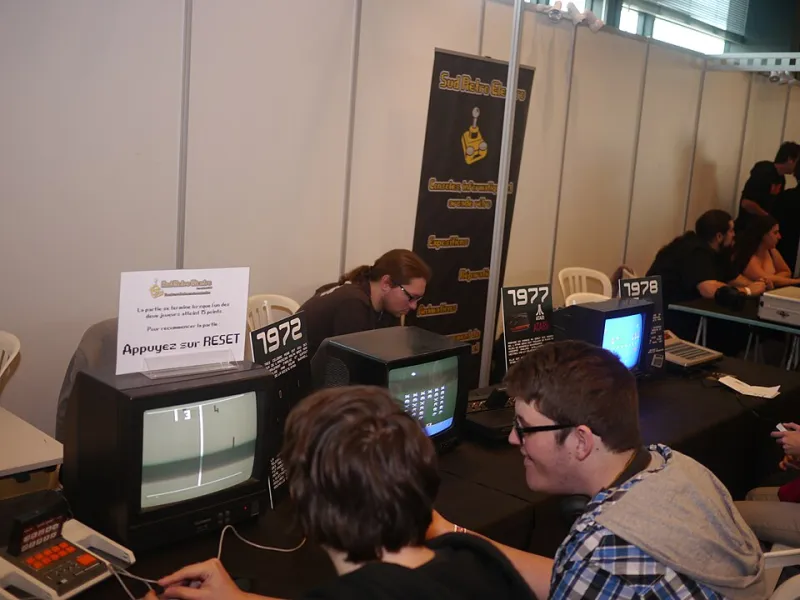
Photo: Yves Tennevin, CC BY-SA 3.0, via Wikimedia Commons
Somewhere on a server that probably should have been decommissioned a decade ago, there's a GeoCities mirror of a Backstreet Boys fan site. The hit counter is frozen at 4,892. The guestbook has eleven entries, the last one dated October 2004. Someone named xX_BSB4EVER_Xx wrote, "this site is soooo kewl plz update more!!" and then, apparently, never came back.
For a lot of people, that's just digital clutter. For a growing corner of Gen Z, it's practically sacred.
The obsession with abandoned websites — dead forums, defunct personal homepages, busted Flash portals, MySpace profiles frozen mid-update — has quietly become one of the more fascinating aesthetic movements bubbling up online. It doesn't have a clean brand name or a major label deal. It lives in Discord servers, niche subreddits, and Neocities pages that look like they were designed by someone who just discovered <blink> tags for the first time. Which, in some cases, they were. On purpose.
The Archaeology of the Early Web
The internet has always had ruins. What's changed is who's paying attention to them.
Tools like the Wayback Machine at archive.org have made it possible to walk through the skeletal remains of websites that technically don't exist anymore. Type in a defunct URL and you can sometimes pull up cached versions of pages going back to the mid-'90s — complete with broken image placeholders, misaligned tables, and MIDI files that auto-played whether you wanted them to or not.
For digital archaeologists like Priya, a 22-year-old from Portland who runs a personal archive blog she asked us not to name directly, this is the whole point. "It's not nostalgia exactly, because I wasn't alive for most of this stuff," she told us. "It's more like finding a photograph in a thrift store. You don't know these people but you can feel that they were real. The internet felt handmade back then."
That handmade quality is significant. Early web design was chaotic by necessity. There were no templates, no drag-and-drop builders, no algorithmic guardrails suggesting you optimize your layout for mobile engagement. People just... made things. Weird things. Personal things. A guy in Nebraska could build an entire shrine to his collection of vintage lunchboxes, complete with custom pixel art borders and a MIDI rendition of the Ghostbusters theme, and it would sit alongside Fortune 500 company pages with roughly equal visual authority.
Neocities and the Deliberate Throwback
Here's where it gets interesting: some creators aren't just visiting these ruins. They're building new ones.
Neocities, a web hosting platform that launched in 2013 as a direct spiritual successor to GeoCities, has seen a significant uptick in activity over the last few years — particularly among users under 30. The sites hosted there often look like they've been ripped straight from 1998: tiling starfield backgrounds, blinking text, hit counters, webrings linking to other similarly designed pages.
Jordan, 24, who built their Neocities page as a deliberate counter-move to what they describe as "the beige internet," explained the appeal pretty plainly. "Every major website looks the same now. Same fonts, same card layouts, same rounded corners. It's like every corner of the web got sanded down. Making something that looks 'wrong' by those standards feels like an actual act of resistance."
That phrase — the beige internet — keeps coming up in these conversations. The homogenization of modern web design, driven largely by the dominance of a handful of UI frameworks and the pressure of SEO optimization, has produced a digital landscape that's functional and deeply, profoundly boring. Against that backdrop, a site with a Comic Sans header and an animated dancing hamster isn't embarrassing. It's radical.
The Liminal Quality That Keeps People Coming Back
There's a psychological dimension to this that goes beyond aesthetics. The word "liminal" gets thrown around a lot in these communities, and it fits. Liminal spaces — thresholds, waiting rooms, places between one thing and another — carry a particular emotional weight. They're uncanny. They feel like the world paused mid-breath.
Abandoned websites hit that same nerve. A forum where the last post is from 2009, discussing a movie that came out that summer. A personal homepage where someone documented their cancer diagnosis, treatment, and then just... stopped updating. A Geocaching community board where members planned meetups in parks that might not even exist in the same form anymore. These pages exist in a kind of permanent almost-present. They were alive once. They're not quite dead.
"It's the same reason people are fascinated by those photos of Chernobyl," says Marcus, a 27-year-old web designer from Austin who's been deliberately incorporating early-web aesthetics into his commercial work. "There's something about a place that got interrupted. The internet has a lot of those places, and most people just scroll past them. But once you start looking, you can't stop."
The Community Building Around Digital Ruins
What's maybe most surprising about this scene is how collaborative it's become. Webring culture — where sites link to each other in a rotating chain, a very early-internet concept — has genuinely been revived. There are active communities on Discord dedicated to sharing newly discovered abandoned sites, rating them, sometimes even attempting to contact the original creators.
Occasionally those attempts succeed. Someone tracks down the owner of a long-dead fan forum, and there's this strange, tender reconnection — a person being reminded that something they made at age fifteen, something they completely forgot about, has been found and appreciated by strangers born after they made it.
Preservation has also become a priority. Groups affiliated with the broader digital archiving community have started specifically targeting personal homepages and small community sites that are at risk of disappearing entirely when hosting contracts lapse. The argument is simple: these sites represent a form of folk art. Losing them is like losing anything else that documents how ordinary people actually lived.
What the Algorithm Can't Give You
At the core of all of this is a hunger for something the current internet genuinely struggles to provide: the feeling that you've found something. Recommendation algorithms are extraordinarily good at surfacing content you'll probably like. They are structurally incapable of giving you the experience of stumbling onto a stranger's deeply personal, completely unoptimized corner of the web at two in the morning and feeling like you've discovered something that was meant specifically for you.
The abandoned internet, and the deliberate recreation of its aesthetics, offers that feeling in abundance. It's unfiltered. It's imperfect. It's frequently very strange.
Which, honestly, sounds a lot like what the internet was supposed to be in the first place.