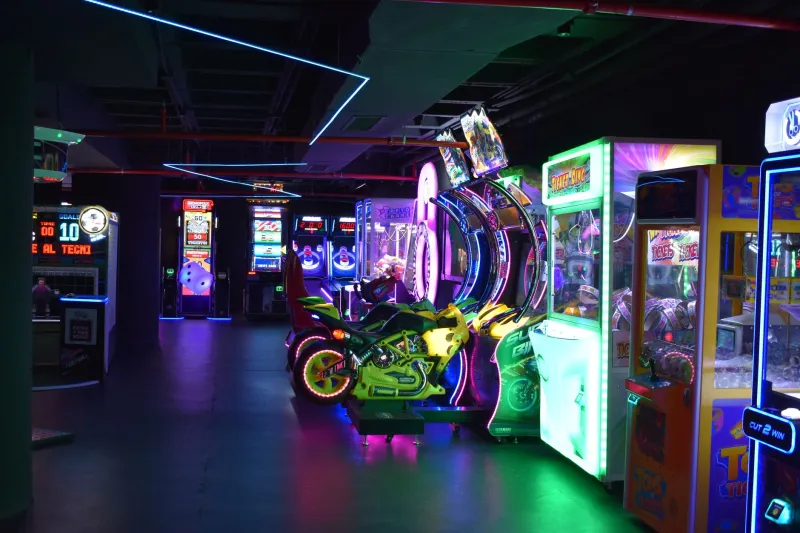
Lights On in the Food Court: Seven Abandoned Malls That Never Stopped Paying Their Electric Bill
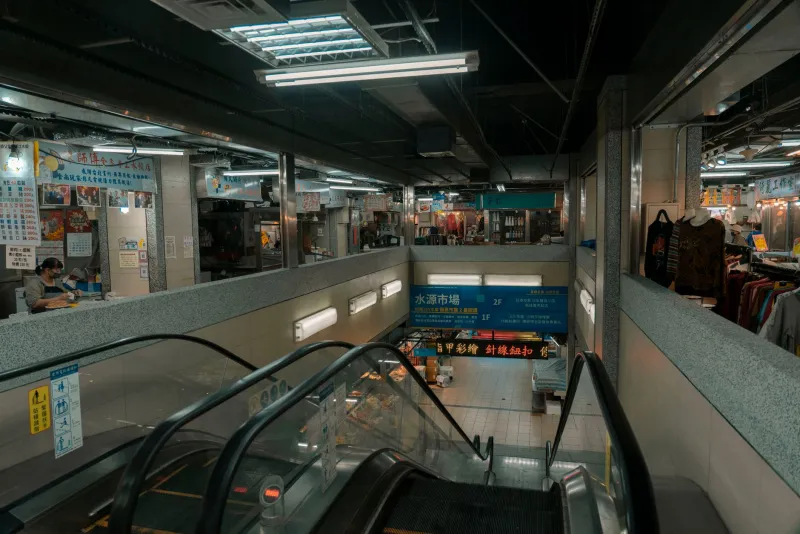
A dead mall with a dead power feed is normal. Vines in the skylights, black hallways, the whole post-apocalyptic aesthetic. But every so often, urban explorers crack a door on a mall that's been closed for a decade and find the overheads burning. Fountains running. HVAC humming. Nobody inside. Nobody on the books.
Here are seven of them, and the people who can't stop thinking about it.
1. Rolling Acres — Akron, Ohio
Before its eventual demolition, Rolling Acres spent years in a strange half-state: officially closed, partially powered, lights flickering over flooded corridors. Explorers reported working exit signs guiding them through the dark — a literal lighted path through a ruin. Utility records showed ongoing accounts. For a while, the mall glowed like a nightlight for the whole zip code.
2. Hawthorne Plaza — Hawthorne, California
Sealed since the late '90s and famously used as a film set for dystopian shoots, Hawthorne kept enough juice flowing to power lighting rigs and security systems for crews and guards. Security staff working the perimeter described aisles lit for no audience — a stage show for zero attendees, running nightly.
3. Dixie Square Mall — Harvey, Illinois
The mall from The Blues Brothers, abandoned in 1979 and still carrying power into the 2000s. Squatters, explorers, and even the occasional police training exercise found functioning lighting in sections. The mall outlived its own closing by four decades, much of it under electric light.
4. Randall Park Mall — North Randall, Ohio
Once one of the largest malls on Earth, Randall Park's long decline included years where parts of the structure remained lit and climate-controlled despite no retail tenants. Former maintenance contractors describe keeping systems running "because the paperwork said to," with no clear answer as to whose paperwork, or why.
5. The Renaissance at — Various, Southeast
A pattern rather than a single site: across the Sun Belt, several 2000s-era malls closed mid-recession with utility accounts quietly held by holding companies. Explorers in two states reported the same eerie signature — dark corridors, but a fully lit, fully air-conditioned management wing, as if the building were keeping one room alive out of habit.
6. Metro North Mall — Kansas City, Missouri
Post-closure, sections of Metro North remained powered for years, with explorers documenting lit signage and running escalators in otherwise abandoned wings. Local utility workers joked about the mall being their "ghost account" — a meter that kept spinning no matter what happened to the property.
7. North Towne / Small-Town Single-Anchor Malls, Midwest
The most common version of the phenomenon isn't famous at all. It's the small-town mall where the anchor closed in 2009, the interior went dark, but the parking lot lights and the marquee sign kept cycling on at dusk — every night, for a decade. Ask the village office who pays and you'll get a shrug, a forwarded email, and no answer.
Why the Lights Stay On
The boring explanations are real: liability lighting, lease obligations, accounts nobody at a bankrupt holding company remembers to cancel, signage required by code. But the people who spend time in these buildings describe something beyond paperwork. A powered dead mall doesn't feel maintained. It feels persistent — a place that hasn't agreed that it's over.
Maybe that's the honest answer. We spent sixty years building cathedrals to consumption, and when the congregation left, some of the electricity stayed on out of pure institutional momentum. Nobody decided to keep the lights on. Nobody decided to turn them off either.
And so they burn — over empty fountains, down vacant concourses — a signal from infrastructure that outlasted its purpose but not its habit. Somewhere in an abandoned food court in Ohio, a fluorescent tube is flickering right now, for absolutely no one.